A shared program. A clear plan for each property.
Make repeat renovation packages easier to compare without overlooking what makes each hotel different.
Brand requirements and ownership programs can create work across several locations. A useful construction discussion connects the common scope to local conditions, decisions and availability.
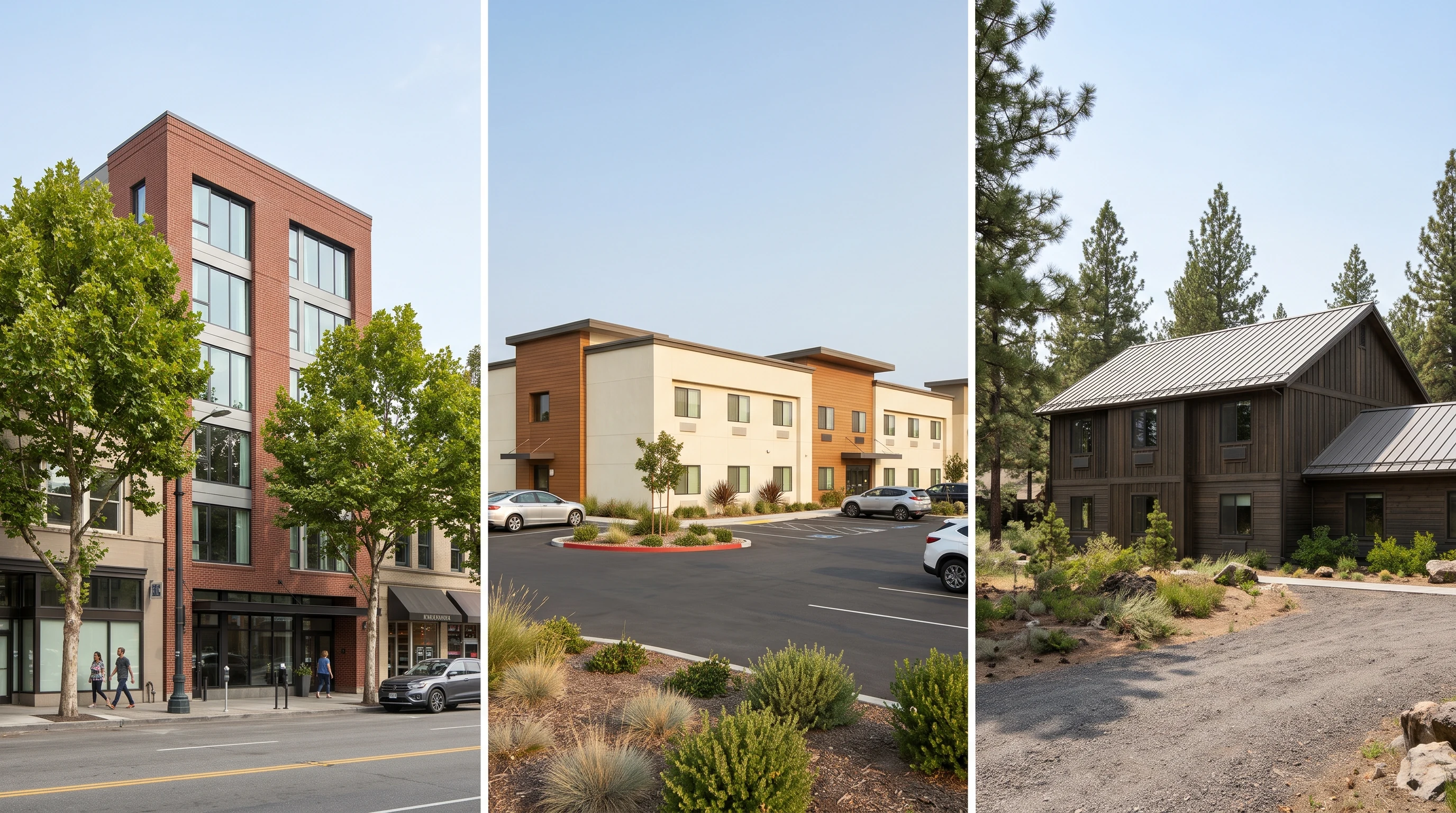
Compare the things that need to stay consistent.
Start with a common record for the proposed packages. Keep differences visible rather than hiding them behind one program total.
One comparable record. Property-specific answers.
- Scope
- Rooms, public areas, retained items and package exclusions.
- Project team
- Contracting entity, owner representative, design and procurement partners.
- Investment stage
- Approved scope, open decisions and funding dependencies.
- Use & sequence
- Operating conditions, access, intended dates and preceding work.
- Handback
- Review responsibilities, completion records and remaining items.
A repeatable method still needs local decisions.
A different property can bring a different existing condition, supplier arrangement or operating plan. Confirm each package before treating it as the next copy of the last.
Compare the packages
Identify common work and the variations that affect each hotel.
Confirm local readiness
Review current authority, appointed parties, access and delivered goods.
Agree the next appointment
Confirm scope, availability and terms for the actual property.
Carry the useful learning forward.
A consistent scope record, clear change history and a practical handback can support the next renovation discussion. Repeat work is earned through the actual delivery relationship—not assumed from a brand affiliation.
The delivery approachBring the program in outline.
Share the states, kinds of hotels, proposed work and likely sequence. A high-level summary is enough to begin; confidential property and investment records can wait.